Vishnevodskoye Principality
- Capital: Vishnevodsk
- Government: Grand Prince Edward Rutilius
- Population: about 200,000
- Language: Northern Imperial
- Motto: none
- Army: about 3,000 living fighters and a multitude of undead
- Money: Illiorian crowns
- Stylistic features: dark colors in clothing (black, dark green), leather, furs. People here shave in the imperial manner and wear clothing that covers almost the whole body: men wear kaftans, women long dresses. Houses are mostly wooden, with abundant carving, window frames, and other decorations; log houses are charred to give them a noble black color. References: the Rus of Ivan the Terrible, the Kievan Rus of Yaroslav the Wise.
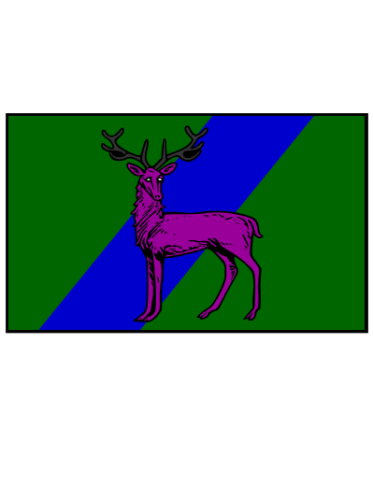
The Vishnevodskoye Principality is part of the former Arnost Prefecture of the Illior Empire, which gained independence in 818. This land has a rich ancient history. The Vishnevodians have been at war with Enforis for many centuries, and necromancy here is an old and revered tradition. The basis of the economy is the mining of precious metals and stones in the Silver Mountains.
Structure
- Estates. The principality has two estates — commoners and nobles — and all power is concentrated in the hands of the nobles. Commoners are free, but have no right to own real estate. The labor of slaves and undead is widely used everywhere.
- Grand Prince. The title is hereditary. In the short history of independence only a few rulers have succeeded one another, and all of them were from the Rutilius family.
- Prikazy. Ministries of a sort. The grand prince puts his confidants, members of his court, at the head of the prikazy. The head of a prikaz is free to arrange affairs in their domain however they like, as long as the grand prince is satisfied.
- Lawlessness. The principality inherited some of its laws from the Empire, but over time most of them were repealed or simply fell into disuse. Criminal law — on murders, thefts, and similar crimes — has survived more or less. But there are no quaestors and no independent court here, and every case is decided by the local landowner, who often judges by the spirit rather than the letter of the law.
- The court. There is no senate in the principality, and the grand prince is formally an absolute monarch. However, the main decisions are made at court, where all the landowning families are represented. The rich families, of course, are more influential and fight each other for power, while the small ones fight for the prince’s attention and court posts.
- Intrigues and poisons. They say the grand prince’s courtiers are highly skilled in intrigue and secret murder. This way of life took shape centuries ago, under the Empire.
- Bribes. Because of this political structure and the lack of clear law, gifts to officials are par for the course here. Almost nothing can be done in the country without a bribe.
- Economy. The capital, Vishnevodsk, stands at the sources of the Lior River, which carries its waters to the Monstrous Sea through the whole Illior Empire and the Kingdom of Gross. The Silver Mountains have deposits of sulfur and other valuable minerals, which are extracted in numerous mines and quarries. The principality has been trading them with the Empire and other countries for many centuries. To a large extent, the economy rests on the slaves and undead who toil in the mines.
Society
- Inbreeding. The local nobility is a very closed circle. Marriages with commoners are unacceptable, and outsiders rarely manage to fit into the country’s complex clan system. The whole elite is related, and many families show obvious signs of degeneration. Nevertheless, the Vishnevodians consider themselves pure-blooded, and many trace their ancestry to the Great War or even to the First Humans.
- Dark magic. The proximity of the Prefecture of the Dead, relative safety, and the ways of the local rulers have long attracted necromancers and other dark mages from all over the world to the principality. They are welcomed here: it’s far more profitable to buy a slave knowing that after death they will serve for several more decades. In addition, the principality borders the Vilarin Prefecture, home to one of the largest universities of magic in the world, and the local rulers often hire newly graduated mages, promising them complete freedom to experiment.
- Holidays. Despite their grim reputation, the locals love holidays and entertainment. It isn’t customary to keep undead in the cities, so nothing darkens the colorful winter festivities with fireworks from Zanra, illusions by the best mages of Vilarin, and ice slides built by local craftsmen.
- The army of darkness. The principality’s regular army is small, but this is more than made up for by an abundance of undead. Necromancers subjugate dead that have already risen, or raise them themselves. However, a new power has recently appeared in the north, claiming power over the dead, and rumor has it that the Vishnevodians have lost much of their fighting capacity.
- Unfriendly neighbors. For many centuries the Vishnevodians have been at war with neighboring Enforis to the east. And after gaining independence, many took to raiding the southwest as well.
Relations with other countries (click to expand)
How the average inhabitant of the Vishnevodskoye Principality regards other countries.
- Bastion Union: A misunderstanding on the political map. It’s surprising that the large neighbors haven’t crushed them yet. It’s not yet clear whom the existence of this would-be state benefits. Let’s see how long they last.
- Slavetraders’ Coast: Our relatives still live in the Port of New Hope. It’s hot there, but they say you can buy live goods very cheaply, and besides, the locals aren’t frightened by the word “necromancy”.
- Principality of Zalessk: Our distant relatives. If not for the Arnost catastrophe, our ties would be much stronger. They have come to our aid more than once in the wars with Enforis. It’s a pity they are poorly educated and almost incapable of magic.
- Illior Empire: We were part of the Empire quite recently, and many of us have relatives there, especially in the Run Prefecture. It’s good that we are independent now: the Empire shackled us with stupid laws and fleeced us with taxes, and now all our wealth belongs to us alone. We need to stay friends with the Empire — it’s our main buyer. But the Empire is weak, and it seems the hour is not far off when it will finally fall apart. We mustn’t miss the moment: to those cities and lands that will need guardianship and help, we will provide it.
- Principality of Igni: They live far away, and we don’t care about them. They worship fire and hate the undead. It’s good that they don’t care about us either — as long as the elf-lovers from Enforis don’t come to an agreement with them. Igni is a huge country, and it would be hard to compete with it if it came to that.
- Principality of Enforis: Cursed elf-lovers who for centuries have been trying to take away lands that rightfully belong to us. If not for the elves and their magic, these lands would have been ours long ago. Our grandfathers and great-grandfathers fought Enforis, and we are obliged to finish what they started.
- Colonial Rojo: Rojo has colonies? There must be the same fools living there as on the continent.
- Colonies of Makharatkha: Overseas traders. What goes on there is of little interest to us. Even their goods hardly ever reach us.
- Kingdom of Gross: The Grossians have spoiled our plans more than once by meddling in the Empire’s politics. Half of Enforis would be ours if not for these blockheads. It seems they drink too much of their beer and chat with the fay in the forests. On the whole the Grossians are stupid, but they shouldn’t be underestimated: many of their politicians are dangerous, and besides, they hate necromancy.
- Kingdom of Zanra: A strange people. It seems they try to be friends with everyone, and that’s alarming. They wear masks, and you never know what’s on their minds. Once already they showed the whole world how terrible their inventions can be — who knows what else Zanra has up its sleeve. We wouldn’t want enemies like that.
- Kingdom of Rojo: Religious fanatics and fools. Dealing with them is dangerous: today they trade with you, and tomorrow they’ll burn you at the stake for some imaginary sin. They think they worship the First Humans, but in fact they are pushed around by a bunch of swindlers. It’s good that their kingdom is finally under the Empire’s control again — maybe now their stupid religion will be destroyed.
- Land of Oases: Decent material: there’s enough work in the mines for these barbarians for many years. It’s a pity that a truly high-quality slave can rarely be gotten from there.
- Makharatkha: Smart and cunning folks. Sometimes it’s a pleasure to deal with them, and their university of magic is much more open to new ideas than Vilarin. They are our main suppliers of slaves and other useful goods, and many of their traders make it to our parts.
- Elka’s Oligarchy: That’s where the Enforisians flee from us. They won’t give us a warm welcome there, and we couldn’t care less. Let them run to the islands and stay there.
- Archdemon’s Plateau: Curious places. We sometimes go there for scientific research: traces of magic that the elves and dragons are trying to hide from us remain there.
- Republic of Drinrog: Money is the main thing for them, so they’re convenient to deal with. On the other hand, they can be bought off, so it’s best not to rely too much on the Drinrogians.
- Dragons’ Country: It’s unclear why they stayed in our world. Let them clear off to fight their demons, or wherever all their kin have gone.
- Ethel: The pointy-ears are forever meddling in our affairs. They hate us and our magic; most likely they fear us, but don’t dare to come out openly and act through puppets. I hope the day will come when the last elf clears out of Dedrel after the dragons.
Regions / Cities
Vishnevodsk
The capital of the state, a large city with a river port in the upper reaches of the Lior. The prince’s palace, many workshops, and the offices of various guilds stand here.
Artisium
The center of the principality’s forest holdings, at the edge of the Old Forest. There are many armed bands in the surroundings that go raiding and gradually shift the border toward Enforis.
Argengrad
A large mining town in the Silver Mountains, where the output of all the surrounding mines flows. It belonged to the princes of Vishnevodsk even before the Empire.
Koshchin
A river port from which vessels with goods from Argengrad set off.
Glekarin
A city north of the capital. In 176 it was the only one to resist Gnaeus’s army and was burned almost to the ground, but it was later rebuilt.
Ledomorsk
The northernmost of the known cities of the world, a small, harsh port on the shore of the northern sea. Its inhabitants hunt sea creatures. Traders from the Sunny Islands occasionally call here, but Enforis doesn’t let the port live a normal life.
History
During the Great War
After the allies destroyed the demon fortress of Akrit in the Silver Mountains during the First Raid, people were drawn here: there had long been rumors of untold treasures hidden at the foot of the mountains. At first people settled on the coast of the Dark Ocean, gradually moving north and northwest. In −181, Olifanor, the future capital of the Principality of Enforis, was founded on the coast, and the city quickly became a powerful center of the region. Thanks to a large settlement on the ocean shore, the Silver Mountains and the northern part of the Old Forest became safer and safer, and people from Illior and northerners were drawn to the liberated lands. There is no exact information, but apparently Vishnevodsk was founded between −180 and −160.
Almost no documents from this time have survived, but from characteristic silver and gold items it can be concluded that even before the year 1, the mining of precious metals had begun in the west of the Silver Mountains, and that there were settlements at the sources of the Lior where ore was processed.
In the Imperial Era
-
85. First Mention. The chronicles of Enforis contain records of a warlike people from the west of the Silver Mountains. By that time Vishnevodsk is already the largest city of the region, and its rulers impose their power on the surrounding settlements. Moreover, the locals have mastered necromancy quite well and make use of artifacts left over from the demons who once inhabited these places. They throw lesser undead such as zombies into raids on the settlements of Enforis. Most often these are plundering raids, but it is obvious that the Vishnevodians want to take possession of the fertile foothills and the valuable deposits in the mountains.
-
175. Maltorn. A major battle takes place in the mining settlement of Maltorn, which belonged to Enforis. Many people die; the Vishnevodians capture a large batch of adamantine ore and occupy the settlement. The indignant Enforisians turn for help to the elves, who by that time (the 170s) had grown very distant from humans, and there were few elves left on Dedrel anyway. The elves, in turn, turn to the new great power on the continent — the Illior Union of Maldred the Conqueror. A lull sets in for a time.
-
176. Gnaeus’s Campaign. At the beginning of summer, the army of the Illior Union under the command of Maldred’s son Gnaeus goes up the Lior and lands on the right bank, short of Vishnevodsk. The city is well fortified and ready for a siege, and Gnaeus decides first to ravage the surroundings and cut it off from reinforcements. Many small settlements surrender without a fight, but Glekarin resists. The city falls quickly and burns almost to the ground. From Glekarin, Gnaeus turns west, passes right by the sources of the Lior, and takes Argengrad, emptying the local treasury and the stores of precious ore. Then the army goes downstream, and Koshchin surrenders to it without a fight.
Vishnevodsk has nowhere else to expect reinforcements from, but it can withstand a siege for many more months, if not years — all the more so as a great many undead have been drawn to the city. Then Gnaeus decides to turn nature itself against the defiant city: he orders his mages and soldiers to build a large reservoir. In just a few weeks the work is finished, and the water in the new reservoir quickly rises. When enough has collected, Gnaeus sends negotiators to Vishnevodsk: if the city doesn’t surrender, the river will wash it away along with its walls and inhabitants. The Vishnevodians understand that they can’t withstand such a threat and capitulate. Gnaeus forces the noble families and the prince himself to sign a treaty of alliance with Illior, imposes tribute on them, and takes their children with him as hostages.
-
181–184. The Monstrous War. The invasion of monsters that engulfed all the Eastern Lands doesn’t spare Vishnevodsk either. For three years dozens of monsters attack settlements and even dare to storm large cities. The principality perhaps suffers least of all: its borders are guarded by sleepless undead, which are no loss to spend on repelling attacks. There is evidence that it is then that the Vishnevodians begin to experiment with creating more complex unliving creatures. They say that the magical disease of vampirism was created at that time too.
-
206. Part of the Empire. Maldred the Conqueror transforms the Illior Union into the Illior Empire, and the Vishnevodskoye Principality becomes part of it. By the emperor’s decision it becomes part of the Arnost Prefecture, with its capital in Nordheld — a northern fortress he had founded earlier. It isn’t known exactly how unrest among the local nobility was avoided, but the noble Illiorian family of the Rutilii, which had long traded with the principality, surely took part in the negotiations.
-
After 206. For a long time Vishnevodsk becomes just another city of the Empire, although, according to the documents, the local nobility enjoys certain privileges and autonomy: with its help it is much easier for the prefect of Arnost to govern the region. The emperors are much more preoccupied with the south at that time, and from the north the center needs only supplies of metals, ordinary and precious. There are no bans on necromancy in the Empire yet, but it is condemned in other prefectures, and the Vishnevodians are pressured not to flaunt their talents. Moreover, most of the combat undead are put to rest, voluntarily-compulsorily, by the imperial legions, although the locals proposed creating an “unliving legion” out of them. In these years the Rutilii finally move to Vishnevodsk, followed by other, less noble Illiorian families.
-
From the 320s. While the imperial chancellery and the court are preoccupied with the dynastic crisis and intrigues, the Vishnevodians resume their attacks on Enforis. These are, of course, not official troops, but mercenaries, undead, and subservient monsters. They constantly test their neighbor’s defenses, and the border slowly but steadily shifts east.
-
394. Contrary to the tradition laid down by Maldred himself, Vishnevodian necromancers, by order of Emperor Gustav, who has died of old age, try to resurrect him. Everything goes monstrously wrong: the emperor rises as a greater undead and stages a massacre in the Founder’s Palace. They say it was the Rutilii who put the idea into the emperor’s head and pulled off the whole thing. After the undead emperor is laid to rest, his successor, Empress Brandetta, restricts necromancy. Vishnevodsk, which rests largely on the labor of the undead, suffers most from the new laws. The Rutilii and other Vishnevodian families become unwelcome guests in the capital. The undead in the mines have to be hastily replaced by slaves, which noticeably raises the price of live goods, and the Empire strengthens its trade ties with Makharatkha. But even in these years Vishnevodsk gradually advances east.
-
452. Emperor Riklaeron heeds the notes of Enforis about constant attacks from Arnost. The XVII Legion is sent to the region, and the attacks stop for a time. However, the ill-fated Maltorn, over which the Illior Union’s campaign once began, belongs entirely to Vishnevodsk by 450. For the first time in history, the prefect of Arnost seriously takes up governing the region: many noble families are subjected to repressions, part of their property goes to the Empire, and a ban is introduced on any unauthorized necromancy.
The Time of Troubles
-
553. Emperor Marcus takes the throne of Illior and, to everyone’s surprise, marries Enfina of Enforis. For twenty years this marriage greatly improves relations between Enforis and the Empire. A dark streak begins for Vishnevodsk: the local nobility is in disgrace, taxes on the mining of precious minerals rise, and the persecution of necromancers begins. Many leave and settle in the Empire’s then still young colonies — in the Port of New Hope on the Slavetraders’ Coast and in Terranova in the Horseshoe Islands.
-
571. After Marcus’s death, the throne is taken by his wife Enfina, who is endowed with a longer life. This goes against tradition, and anti-Enforis and anti-elven sentiment grows in the Empire. It is believed that the Vishnevodians put a lot of effort into blackening Enforis and the empress. The plays and songs of those years portray her as an enemy spy who wants to destroy the Empire. And indeed, while destroying freedom of speech and persecuting all dissenters, she recognizes the independence of two former prefectures — Rojo and Gross. The situation worsens right up to Enfina’s abdication in 610.
-
After 610. Enfina’s successor, her daughter Sylvia, is not loved by the people either, and Vishnevodian propaganda continues its work.
-
615. A group of Enforisian fanatics stages an act of sabotage in Argengrad, which belonged to Vishnevodsk even before the Empire. The city catches fire, and many civilians die. The Empire is outraged, while the prince of Enforis clearly tries to hush the matter up and doesn’t hand over the culprits.
-
615–616. The Illiorian–Enforisian War. Empress Sylvia, who enjoys a terrible reputation, tries to win the people’s love. They say the Rutilii appear at court again, and on their advice the empress declares war on Enforis. However, the aims of the war are unclear, and the army’s tasks are vague. The border XVII Legion crosses the border, fighting begins, but the forces of the Empire are clearly insufficient to take even the small cities of Enforis. Casualties on both sides are few: for the most part the armies simply hold their positions. The Vishnevodians try to push the offensive forward and even offer to raise an additional legion with donations, but the imperial chancellery doesn’t agree. In the winter of 616 the sides make peace.
-
672. The Arnost Catastrophe. The northwest of the prefecture and its capital Nordheld lie in ruins, and the surrounding lands fill with undead. Many in the Empire and beyond blame Vishnevodsk for what happened, but there is no direct evidence. On top of that, Emperor Gnaeus II is incapacitated, and the Senate, which effectively rules the Empire, has neither the unity nor the will for a serious investigation. Many necromancers and their descendants who had previously fled persecution return to the Empire: now they are badly needed to rein in the dead. Vishnevodsk becomes the capital of the Arnost Prefecture, and its military might and population grow manyfold — thanks to undead and refugees. A representative of the Rutilius family becomes the new prefect; this family or its appointees will hold the highest posts in Arnost right up to independence.
-
698. The Sunny Islands are discovered. From this time on, many Enforisians leave their homeland, fearing attacks from the Empire. This plays into the hands of the Vishnevodians, who begin to prepare new strikes and draw their newly acquired undead to the eastern borders.
-
From the 700s. Vishnevodsk again attacks Enforis, constantly testing and wearing down the principality’s forces with the help of undead. Official Illior throws up its hands: the Empire, they say, has nothing to do with it.
-
715–717. The Makharatkha Plague. Despite its strong traditions of necromancy, Arnost suffers from the plague no less than others. Judging by the number of deaths, the local nobility at first takes the disease lightly. Very many of its members die, attempts are made, against the law, to resurrect them, and things only get worse. Many unliving troops are left without masters, attacks on the inhabitants sharply increase, the mines stop, and trade falls. And yet Vishnevodsk finds itself in a better position than other lands of the Empire and neighboring countries, and recovers much faster.
-
719–720. Taking advantage of the fact that Enforis lost a huge part of its population in the plague, the Rutilii and other noble families of Vishnevodsk swiftly advance with undead and, almost without resistance, seize several settlements in the Old Forest, including the fortress of Liyne and the city of Elida-Edif. In effect, Enforis loses control over the south of the country: Dalelri and Valden are threatened with attack, and trade with the Empire stops. Enforis considers that it is at war with the Empire, while Illior claims it is an internal affair of Enforis — a civil war. The Empire calls the people of Arnost fighting in Enforis volunteers. In fact, the Empire at this time is ruled by the emperor’s wife, Linri of House Furia, and there are rumors that the Rutilii simply pay the Furii huge bribes to turn a blind eye to what is happening. Besides, the Empire wouldn’t mind gaining new lands without drawing unnecessary attention to itself.
-
720. Having recovered from the blow, Enforis spends colossal sums (after the plague, few people in the world are willing to fight) and hires several thousand fighters — both free mercenaries and members of the Grey Vanguard guild. Together with the regular army, within a few months they win back the captured cities. However, the Old Forest remains full of undead and dangerous. They say the Vishnevodians tried to persuade the government of the Empire to recognize the captured cities as part of the Empire, but because of foreign policy, and above all because of the Kingdom of Gross, which very much disliked the Empire’s attempts to get its hands on independent states, such a decision was never made. Vishnevodsk retreats, but continues to harass the enemy with frequent small raids.
-
November 5, 730. The Day of Bright Swords. Elf-trained detachments of Enforis attack from the air Artisium and Koshchin, cities of the Arnost Prefecture. Swift, deadly fights unfold in isolated estates before the eyes of many locals and travelers. Both detachments complete their mission and, having suffered losses, return home. Later the prince of Enforis declares that higher sentient undead were hiding in these cities, and that Enforis did its neighbors a service by destroying them. No retaliatory measures follow; moreover, Emperor Raloro soon officially thanks the principality for the operation. They say the attack was approved by imperial intelligence and was directed against several aristocrats whose families had lived in Vishnevodsk for centuries. It seems they really had turned themselves into higher undead — liches — and intelligence couldn’t organize a surprise operation against them on its own and needed a neighbor’s help. After this, reshuffles follow in the prefecture: the imperial chancellery removes the prefect and sends a new one from the capital, and new mayoral elections are called in the cities.
-
From 753. Political instability grows in the Empire, and the Vishnevodian families removed from power twenty years earlier gain strength again. A Rutilius becomes prefect once more, and their ancient rulers return to their rightful places in the cities. Vishnevodsk becomes more and more separate, although it shows no disloyalty to the Empire.
-
777. The Drinrog Prefecture breaks away from the Empire — with the active support of Enforis. Even then the Vishnevodians use plays and songs to sway public opinion, portraying Enforis as the eternal enemy of the Empire.
-
817. A coup takes place in the Empire, and the emperor’s power is limited. That same year another province breaks away from the Empire — Zanra, which Enforis again supports by concluding trade deals with the new country.
-
818. The Creation of the Vishnevodskoye Principality. The prefect of Arnost, Titus Klatko Rutilius, comes to a regular session of the Senate and declares that Vishnevodsk and everything that remains of the Arnost Prefecture belong, according to the documents, personally to the Rutilius family, and that the family itself does not consider itself bound by vassal obligations to the imperial house. A review confirms it: after the Arnost catastrophe, the re-registration of the lands and the transfer of the capital bypassed the imperial chancellery, and by law the Rutilii are right. Moreover, none of them attended the coronation of the current emperor, Ralvek, or swore an oath of allegiance to him. The Empire can’t afford a war with Vishnevodsk, and the Senate recognizes the Vishnevodskoye Principality as an independent state.
They say the negotiations were very heated. On the one hand, the only safe trade route connecting Vishnevodsk with the rest of the world is the Lior River, so the Empire could easily impose a complete blockade on the principality. On the other hand, Vishnevodsk had a very impressive military force, which would have become a serious problem for the weakened Empire. The compensation and trade privileges the Empire received as a result of the negotiations were, they say, simply colossal, and many ruling families of Illior profited handsomely from it.
-
After 818. Having gained independence, the Vishnevodskoye Principality officially declares war on Enforis. Now neither the laws of the Empire nor its leadership hinder it. Moreover, many noble families of Illior unofficially support the war with money and weapons: for all their disagreements with the Vishnevodians, the grudge against Enforis, which time after time supported separatists in the Empire, turns out to be stronger. The war goes on to this day. Enforis withstood the first blow, but its border is slowly, kilometer by kilometer, retreating east.
The New Age
- From the 820s. Vishnevodsk sinks deeper and deeper into its internal politics and intrigues and hardly takes part in international affairs. The huge income from the mines allows the local nobility to live as they please, without thinking about the future. There have been no breakthroughs on the front with Enforis for a long time, and it seems Vishnevodian society has lost interest in seizing land: the war goes on more out of habit than for any purpose.
- 1005. In the area of the former capital of Arnost, Nordheld, a new powerful Necromancer has appeared who has subjugated most of the undead of the region. They say he is in no way connected with Vishnevodsk, and the Vishnevodians themselves have suffered greatly from his actions. There were no representatives of Vishnevodsk at the Vilarin Convention, so it’s hard to learn anything firsthand. The difficult position of the Vishnevodian necromancers is indirectly confirmed by the fact that a lull has set in on the Enforis front, and the output of many metals has fallen.